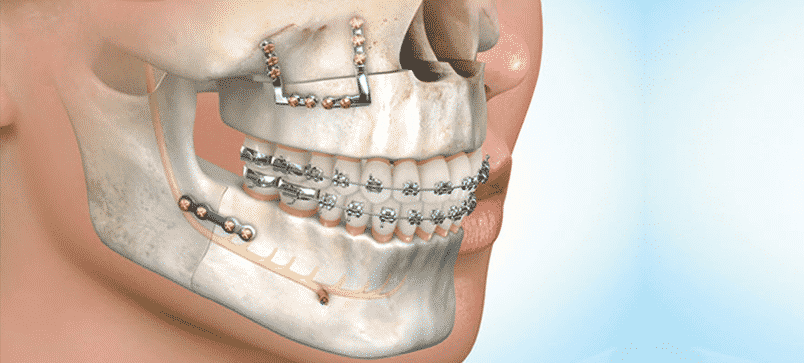
Maxillofacial Surgery
Maxillofacial Surgery
- Mandible Fractures
- Maxilla Fractures
- Complex Craniofacial Fractures
- Nasal Bone Fractures
Frequently Asked Questions
Minor, well-aligned jaw fractures may heal with immobilisation alone, while displaced fractures usually require surgical repair.
This typically lasts a few weeks, depending on how your jaw is healing and your surgeon's recommendations.
No, it is primarily performed to correct functional issues such as bite problems and breathing difficulties, with improved appearance often being an added benefit.
Yes, depending on the location and severity of the injury, facial trauma can affect nearby structures involved in vision or breathing.
This varies by procedure, ranging from a same-day discharge to a few days for more complex surgery.
Some temporary changes in speech can occur during healing, which usually improve as swelling reduces.
Yes, corrective procedures can often be performed later in life, although the timing depends on the specific condition and facial growth pattern.
Yes, swelling and bruising are common after facial surgery and usually improve significantly within the first couple of weeks.
Jaw repositioning surgery is usually recommended for people with significant bite misalignment or airway problems that cannot be corrected with other treatments.
In selected cases involving structural jaw problems, maxillofacial surgery can help relieve chronic jaw pain that has not responded to other treatments.